
Why Ethereum Still Defines the Modern Wallet Experience
Smart contracts, tokens, gas fees, and Web3 interactions reshaped what users expect from a wallet — and Ethereum is still at the center of that shift.
9 min read
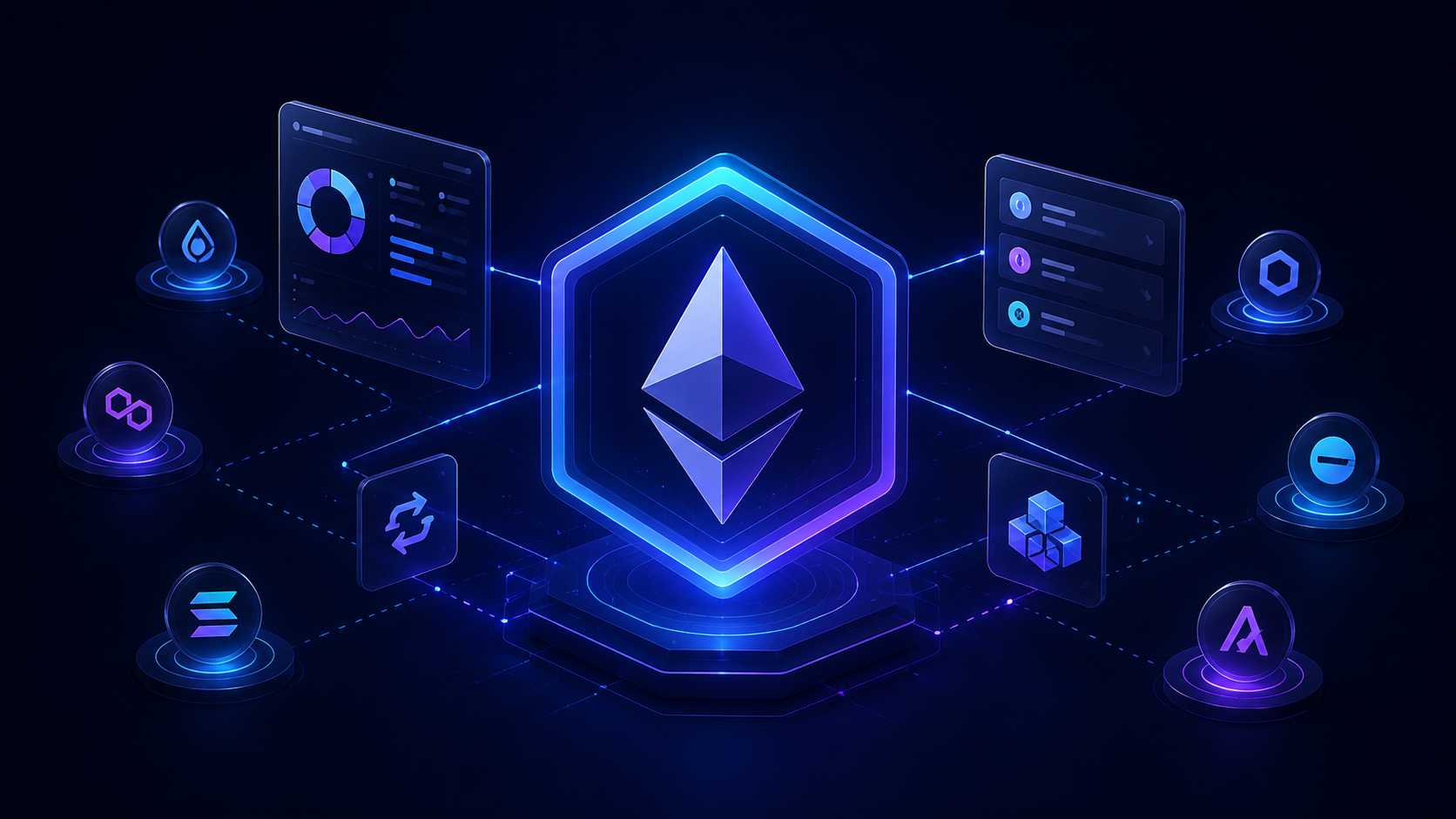
Ethereum changed what a crypto wallet could be.
Before Ethereum became a major part of the crypto ecosystem, many users thought about wallets mainly as tools for holding and sending digital assets. A wallet showed a balance, generated an address, and allowed a user to transfer funds.
Ethereum expanded that idea. It introduced a world where a wallet is not only a place to hold ETH, but also a gateway to smart contracts, tokens, decentralized applications, approvals, swaps, NFTs, stablecoins, DeFi, and broader Web3 activity.
That is why Ethereum still defines much of the modern wallet experience. Even as crypto becomes more multi-chain, many of the expectations users now have for wallets were shaped by Ethereum.
Key Takeaways
- Ethereum changed crypto wallets from simple asset storage tools into interactive Web3 access layers.
- ETH is important not only as an asset, but also as the network token used for transaction fees and smart contract activity.
- Ethereum introduced common wallet behaviors such as token management, contract approvals, DeFi interactions, and app connections.
- Multi-chain wallets need to make Ethereum easier to understand while still supporting other networks and assets.
- Ethlas Pro focuses on a clearer multi-chain wallet experience built around asset visibility, crypto swaps, wallet usability, and security-focused digital asset management.
Ethereum Made Wallets More Interactive
Bitcoin introduced decentralized digital value, and it remains one of the most important assets in crypto. Users who want that foundation can also read our article on Bitcoin in a multi-chain wallet.
Ethereum added something different: programmability.
With Ethereum, wallets became a way to interact with smart contracts. That single change transformed the user experience. A wallet was no longer only about sending or receiving coins. It became the tool users rely on to connect with decentralized applications, approve transactions, sign messages, manage tokens, and participate in Web3 ecosystems.
This made wallets more powerful, but also more complicated.
A user managing Ethereum may need to understand ETH balances, ERC-20 tokens, gas fees, contract approvals, connected apps, swaps, transaction simulation, and network conditions. For many people, that is where the wallet experience starts to feel overwhelming.
ETH Is More Than Just a Portfolio Asset
ETH is often viewed as a digital asset, but inside Ethereum it also has a functional role. Users need ETH to pay gas fees when they send transactions or interact with smart contracts.
That makes ETH different from many tokens that simply sit in a portfolio. ETH is both an asset and the resource used to operate on the Ethereum network.
This creates a practical wallet problem. A user may have tokens in their wallet but still need ETH to move them, swap them, or interact with an application. Without clear wallet design, users can become confused about why a transaction cannot be completed or why the final cost is different from what they expected.
A strong wallet experience should make these details easier to understand. It should help users see what they hold, what network they are using, what fees may apply, and what action they are about to approve.
Ethereum Introduced the Token Economy
One of Ethereum’s biggest contributions to crypto was the rise of tokens.
Stablecoins, governance tokens, utility tokens, DeFi assets, and many other digital assets became part of everyday crypto activity because Ethereum made token creation and smart contract interaction widely accessible.
That changed wallet expectations. Users began expecting their wallet to show more than one asset. They wanted token balances, transaction history, app connections, swap flows, and clear asset visibility.
This is one reason a modern multi-chain wallet matters. Users no longer manage a single asset on a single network. They often hold ETH, stablecoins, Bitcoin, Solana assets, BNB Chain assets, and other supported tokens across different ecosystems.
Ethereum helped create this multi-asset behavior, and now wallets need to make that behavior easier to manage.
Smart Contracts Made Wallet Security More Important
Ethereum also changed wallet security.
With simple transfers, users mainly need to check the receiving address and the amount. With Ethereum smart contracts, users may be approving permissions, connecting to applications, signing messages, or interacting with code they cannot easily read.
That creates a very different type of risk.
A user may not always understand what an approval allows. They may not know whether a connected application is trustworthy. They may sign something because the interface looks familiar without fully understanding the action.
This is why wallet security is not just about protecting private keys. It is also about helping users make better decisions during real wallet activity.
A security-focused wallet experience should make sensitive actions clearer. It should encourage users to review confirmations, understand approvals, and avoid suspicious prompts or unknown links.
Gas Fees Are Part of the Ethereum Wallet Experience
Gas fees are one of the most recognizable parts of using Ethereum.
For experienced users, gas is a normal part of network activity. For newer users, it can be confusing. They may wonder why a transaction costs extra, why fees change, or why a failed transaction can still consume gas.
A wallet cannot remove every complexity from Ethereum, but it can make the experience easier to understand. Clear fee information, network context, and better confirmation flows help users feel more confident before taking action.
This is especially important in a multi-chain environment. Different networks handle fees differently. Ethereum, Solana, Bitcoin, BNB Chain, and other networks each have their own transaction models. A modern wallet should respect those differences while still giving users a consistent experience.
Ethereum and Crypto Swaps
Ethereum also played a major role in making swaps a normal part of crypto wallet activity.
Many users now expect to move between ETH, stablecoins, and supported tokens without leaving their wallet environment. This is part of the shift from wallets as passive storage tools to wallets as active crypto interfaces.
A swap can be useful, but it also requires context. Users should review the assets involved, network, amount, route, fees, price impact, liquidity, and confirmation details before completing an action.
That is why crypto swaps are a core part of the wallet experience. They give users flexibility, but they also need to be presented in a way that feels clear and controlled.
For Ethereum users, swaps often connect directly to real portfolio behavior. A user may want to move between ETH and a stablecoin, adjust exposure, or manage assets across networks. The wallet experience should make that process understandable instead of stressful.
Ethereum Is Central, but the Future Is Multi-Chain
Ethereum remains one of the most important networks in crypto, but the user experience is no longer only Ethereum-based.
Today, users often move across multiple ecosystems. They may hold Bitcoin as a long-term asset, use Ethereum for smart contracts, use stablecoins for transfers, use Solana for faster activity, and explore other networks for lower fees or specific applications.
That is why supported networks and assets matter. Users need to understand which networks and assets are available, what actions are supported, and how each part of their portfolio fits into the broader wallet experience.
Ethereum helped define modern crypto usage, but the next step is making that usage easier across many networks.
Why Ethereum Still Shapes Wallet Expectations
Even users who are active outside Ethereum often expect wallet features that Ethereum helped popularize.
- They expect token visibility.
- They expect app connections.
- They expect swap options.
- They expect transaction previews.
- They expect approval management.
- They expect clear network context.
- They expect wallet security to cover more than just storing a seed phrase.
These expectations are now part of the standard wallet experience.
That means any wallet trying to serve modern crypto users has to understand Ethereum’s influence. It must support multi-asset behavior, explain network actions clearly, and reduce the friction that comes with smart contract activity.
How Ethlas Pro Approaches Ethereum and Multi-Chain Wallet Use
Ethlas Pro is built around the idea that crypto should feel powerful without becoming chaotic.
For Ethereum users, this means the wallet experience should help make ETH, tokens, swaps, approvals, supported networks, and wallet security easier to understand. For multi-chain users, it means Ethereum should fit naturally beside Bitcoin, Solana, stablecoins, and other digital assets.
Ethlas Pro focuses on multi-chain asset visibility, wallet usability, crypto swaps, security-focused design, and clearer everyday wallet actions. The goal is not to hide the complexity of Web3, but to make that complexity easier to manage.
Users who want to understand the broader product direction can read more on the About Ethlas Pro page.
FAQ
What is Ethereum?
Ethereum is a blockchain network that supports ETH, smart contracts, tokens, decentralized applications, DeFi activity, and many Web3 interactions. It expanded the role of crypto wallets by making them tools for interacting with programmable blockchain applications.
Why is Ethereum important for crypto wallets?
Ethereum is important for crypto wallets because it introduced many behaviors users now expect, including token management, smart contract interaction, app connections, transaction approvals, and wallet-based swaps. Many modern wallet features were shaped by Ethereum usage.
Why do Ethereum users need ETH for transactions?
ETH is used to pay gas fees on the Ethereum network. Even if a user holds other tokens, they may need ETH to send transactions, interact with smart contracts, approve actions, or complete swaps on Ethereum.
How does Ethereum affect wallet security?
Ethereum makes wallet security more complex because users may interact with smart contracts, approve token permissions, connect to applications, and sign different types of messages. A secure wallet experience should help users review these actions more clearly before approving them.
Can Ethereum be managed in a multi-chain wallet?
Yes. A multi-chain wallet can help users manage Ethereum alongside Bitcoin, Solana, stablecoins, and other supported assets. This gives users a clearer view of their broader portfolio and helps reduce the need to switch between disconnected tools.
How does Ethlas Pro help Ethereum users?
Ethlas Pro helps Ethereum users by placing ETH and related wallet activity inside a clearer multi-chain experience. The product focuses on asset visibility, crypto swaps, supported networks, wallet usability, and security-focused digital asset management.
Final Thoughts
Ethereum still defines the modern wallet experience because it changed what wallets are expected to do.
A wallet is no longer only a place to hold crypto. It is a control layer for assets, tokens, smart contracts, approvals, swaps, applications, and multiple blockchain networks.
For users who want to manage Ethereum alongside Bitcoin, Solana, stablecoins, and other digital assets, Ethlas Pro offers a clearer multi-chain wallet experience built around usability, security-focused design, asset visibility, and practical Web3 access.
Ethereum made wallets more powerful. The next challenge is making that power easier, safer, and more understandable for everyday users.