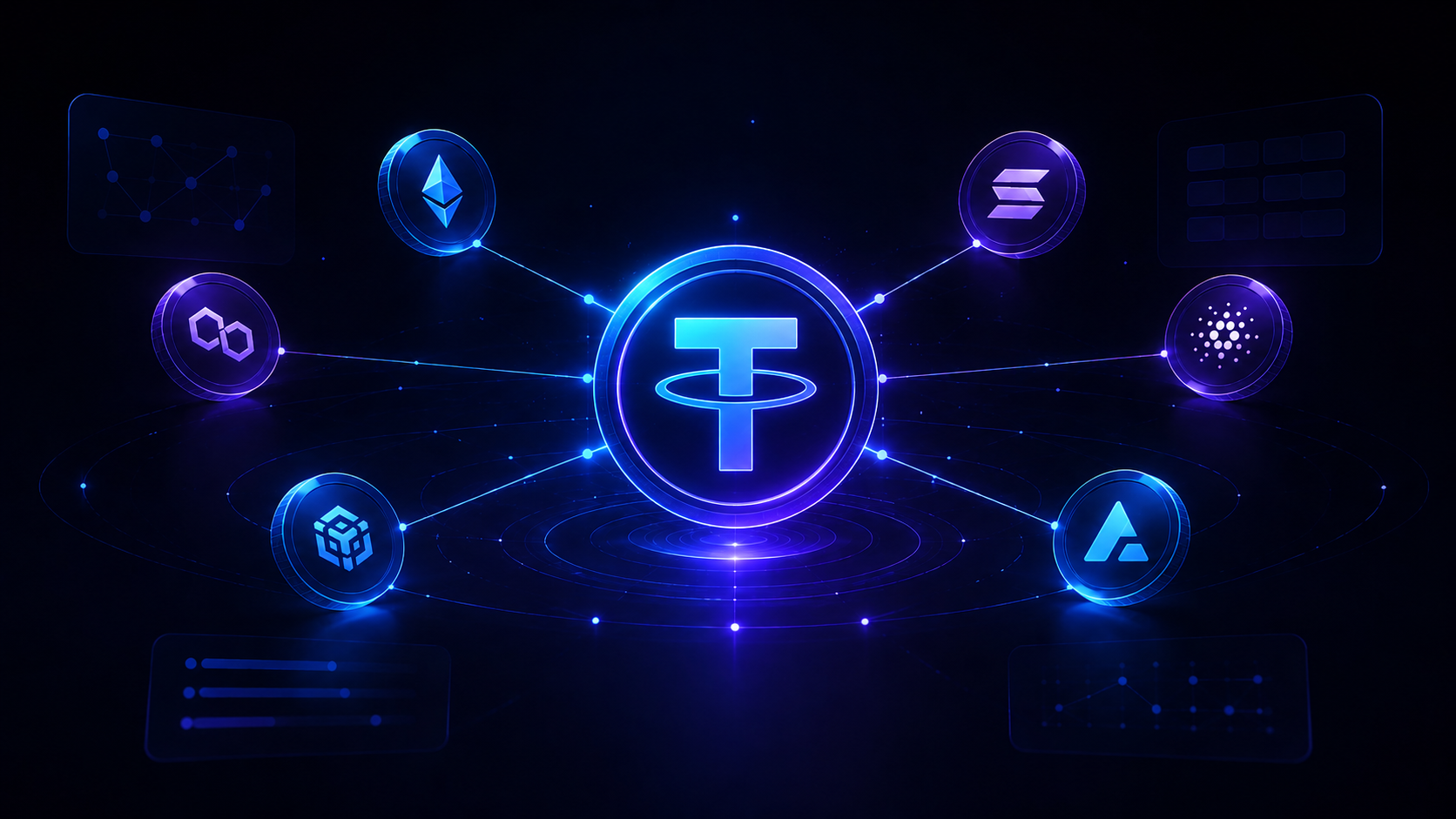
How Tether Became the Everyday Stablecoin Layer of Crypto Wallets
USDT turned stablecoin activity into a normal part of wallet use — transfers, swaps, network context, and everyday digital asset management across multiple chains.
Read article
Ethlas Blog
Ideas, product perspectives, and long-form thinking on how crypto interfaces can stay powerful while feeling coherent.

USDT turned stablecoin activity into a normal part of wallet use — transfers, swaps, network context, and everyday digital asset management across multiple chains.
Read article

Solana has become important because it shows how fast, low-cost blockchain activity can change what users expect from crypto wallets. This article explains why Solana matters inside a modern multi-chain wallet experience.
Read article
Ethereum changed how people use crypto wallets by introducing smart contracts, tokens, DeFi, gas fees, approvals, and Web3 interactions. This article explains why Ethereum still defines the modern wallet experience.
Read article

Bitcoin remains one of the most important assets in crypto, but today users often manage BTC alongside Ethereum, Solana, stablecoins, and other networks. This article explains why Bitcoin still matters inside a modern multi-chain wallet experience.
Read article
In practice, trust comes from comprehension: legible approvals, clear intent, continuity across steps, and proportionate signals when decisions actually matter.
Read article

Users increasingly judge multi-chain wallets on interpretation, not raw support: readable balances, predictable flows, continuity across tasks, and security signals they can understand in the moment.
Read article

Multi-chain has expanded what users can do, but many products still make that flexibility feel fragmented. The next wave of wallet design needs to turn capability into coherence.
Read article

A wallet can be technically strong and still feel uncertain in everyday use. True security includes both strong infrastructure and product clarity that reduces mistakes.
Read article

Supported networks are not just technical badges. They shape access, flexibility, and whether a wallet feels genuinely useful as users move across ecosystems.
Read article

As wallets mature, users expect token exchange flows to feel as ordinary as checking a balance, fast, legible, and aligned with how they already think about assets.
Read article