
Why Supported Networks Matter More Than Most Wallets Admit
Network support is often treated like a feature checklist, but for users it shapes flexibility, access, and the overall value of the wallet experience.
5 min read
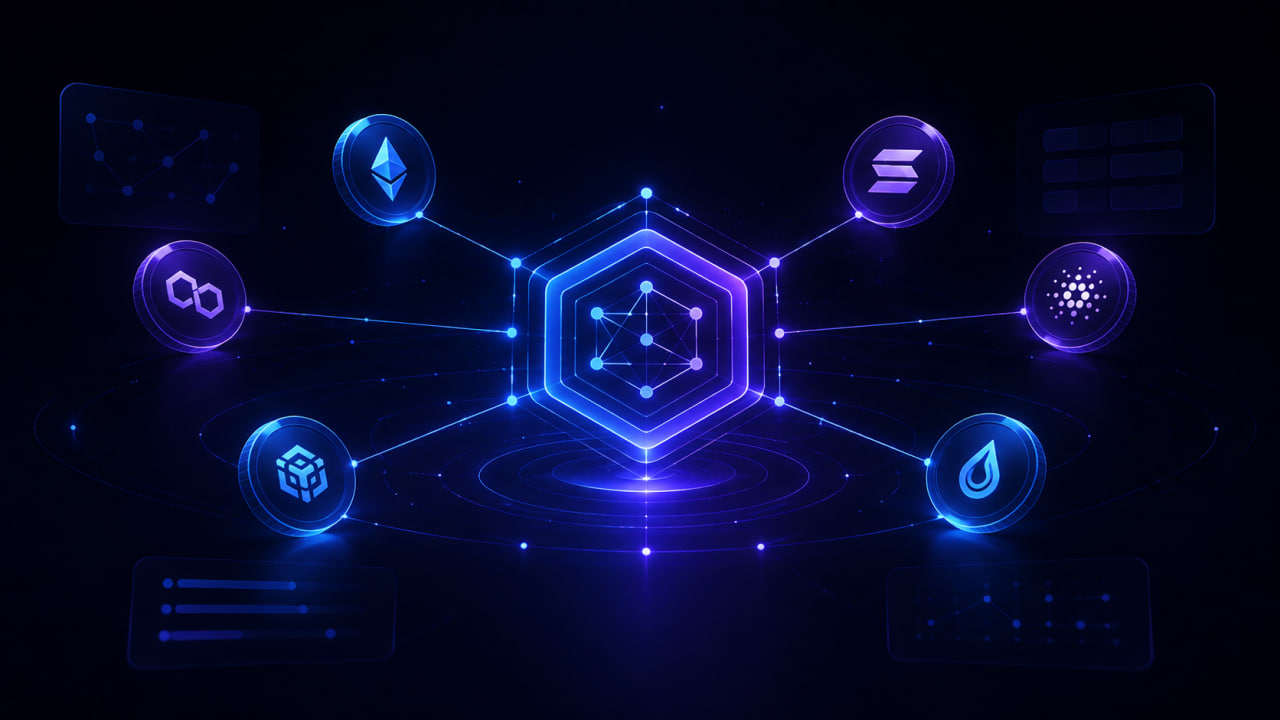
When wallets talk about supported networks, the language is often surprisingly flat.
A list of chains.
A row of logos.
A feature block on a landing page.
Technically, that is understandable. Network support is easy to summarize that way. It gives a quick sense of scope.
But for users, supported networks are not just a list.
They define access.
They shape what kinds of assets a person can hold, what ecosystems they can participate in, what costs they might face, and how much flexibility they actually have inside the product. In many cases, network support determines whether a wallet feels limited or genuinely useful.
That is why this part of wallet design matters more than many products admit.
A wallet with narrow support may still work for a specific use case. But the moment a user starts moving across ecosystems, the value of broader support becomes much more obvious. It becomes easier to understand that network support is not only a technical capability. It is part of the product’s practical usefulness.
This is also where many wallets undersell themselves.
They present network support as if it were a checklist item instead of a meaningful layer of product value. But from the user side, support for multiple ecosystems changes the entire shape of the experience. It influences portability, optionality, convenience, and room for growth.
It also changes how a user thinks about the wallet itself.
A wallet that supports the right ecosystems feels more future-ready.
A wallet that limits access feels smaller, even if its interface looks polished.
A wallet that makes network participation easier feels more relevant to real digital asset behavior.
This is especially true in a market where activity is increasingly multi-chain. Users do not want to rebuild their entire setup every time they need a different network, a different asset environment, or a different path for managing value. They want continuity.
That is why supported networks should be understood as more than compatibility.
They are part of usability.
A well-designed wallet does not just “add” networks. It makes them feel meaningfully available inside a coherent product experience. That difference matters because support without usability can still feel fragmented.
This broader view is exactly why the idea behind an Ethlas supported networks experience is important. It reflects a more practical understanding of how users think about access, flexibility, and multi-chain participation inside one wallet environment.
In the end, supported networks are not just about how many ecosystems a wallet can technically connect to.
They are about how much real freedom the product gives the user once that support exists.